UAE Go-To-Market
What SALT Teaches About Go-To-Market in the UAE
A breakdown of how SALT built one of Dubai's most talked-about brands with no storefront, no advertising, and no paid media — by designing a go-to-market strategy native to the UAE. A case study in reading this market and growing on its terms.

Before SALT, Dubai's dining scene was dominated by malls and franchises. There were no gourmet food trucks. No locally grown lifestyle brands. The founders read a gap nobody else had articulated, and they built a Go-To-Market that felt native to the UAE instead of importing one that had worked somewhere else.
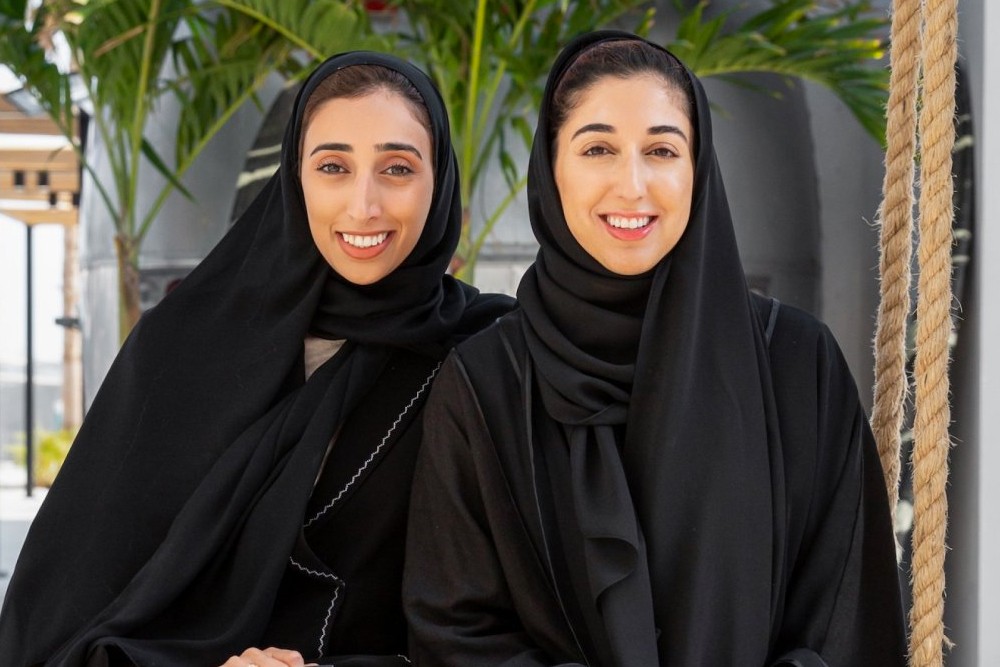
In 2013, two founders — Amal Al Marri and Deem Al Bassam — parked a silver Airstream trailer on Dubai's Kite Beach and started selling gourmet sliders. No restaurant. No mall unit, which was where nearly every serious F&B brand in Dubai wanted to be at the time. No advertising spend. Just a hashtag: #FindSalt.
Within a year, there were queues down the sand. Dubai's Crown Prince dropped by. SALT went from an untested experiment to one of the most talked-about brands in the city's food scene.
They tested small before they built big
This is the discipline most companies entering the UAE skip. Food trucks weren't really a category in the UAE before SALT. The founders didn't validate the concept with a market study. They validated it by putting a trailer on a beach and watching what happened. Quality burgers, in an outdoor, informal setting, for a population that loves new experiences and had nowhere to get exactly this. That was the gap. Nobody had written it down anywhere. They just noticed it.
A food truck concept exists everywhere. This one worked because it was tested against this market's specific gap, at a small enough scale that being wrong would have cost almost nothing.
The positioning was never "burgers"
The founders were clear about it from day one: SALT is "more than just a burger place where you eat quickly and go." The brand wasn't selling a meal. It was selling an escape from the ordinary — the minimalist trailer, the beach setting, the customers called "Salters" instead of just customers. Even the name was deliberate: salt is the most basic ingredient there is, a signal of simplicity in a market where F&B at the time meant mall food courts and formal dining.
Customers weren't buying a burger. They were buying membership in something that felt like theirs.
They turned a regulatory wall into a distribution strategy
In 2014, food trucks weren't a legally defined category in the UAE. SALT's founders hit that wall applying for permits. Amal Al Marri's response to the authorities: "OK you know what, forget it, it's not a food truck, it's a caravan, it's a kiosk... I'm not moving." That reclassification is what let them run a fully mobile, pop-up-driven distribution model — no fixed rent, deliberate scarcity, a new location every week wherever the crowds already were, from Kite Beach to the Formula 1 in Abu Dhabi.
Their success helped push the UAE toward formally legalising food trucks as a category. That's what happens when a business reads the regulatory environment as something to work with precisely, rather than something to complain about generically.
Discovery ran entirely on scarcity, not spend
SALT never told customers where the trailer would be next until the day of. The only way to find it was to follow @FindSalt on Instagram. A location update became a small event — people would drop plans to chase the truck down before it sold out. The brand didn't need a media budget because it had built a mechanic that made its own customers do the marketing.
They said no to easy growth
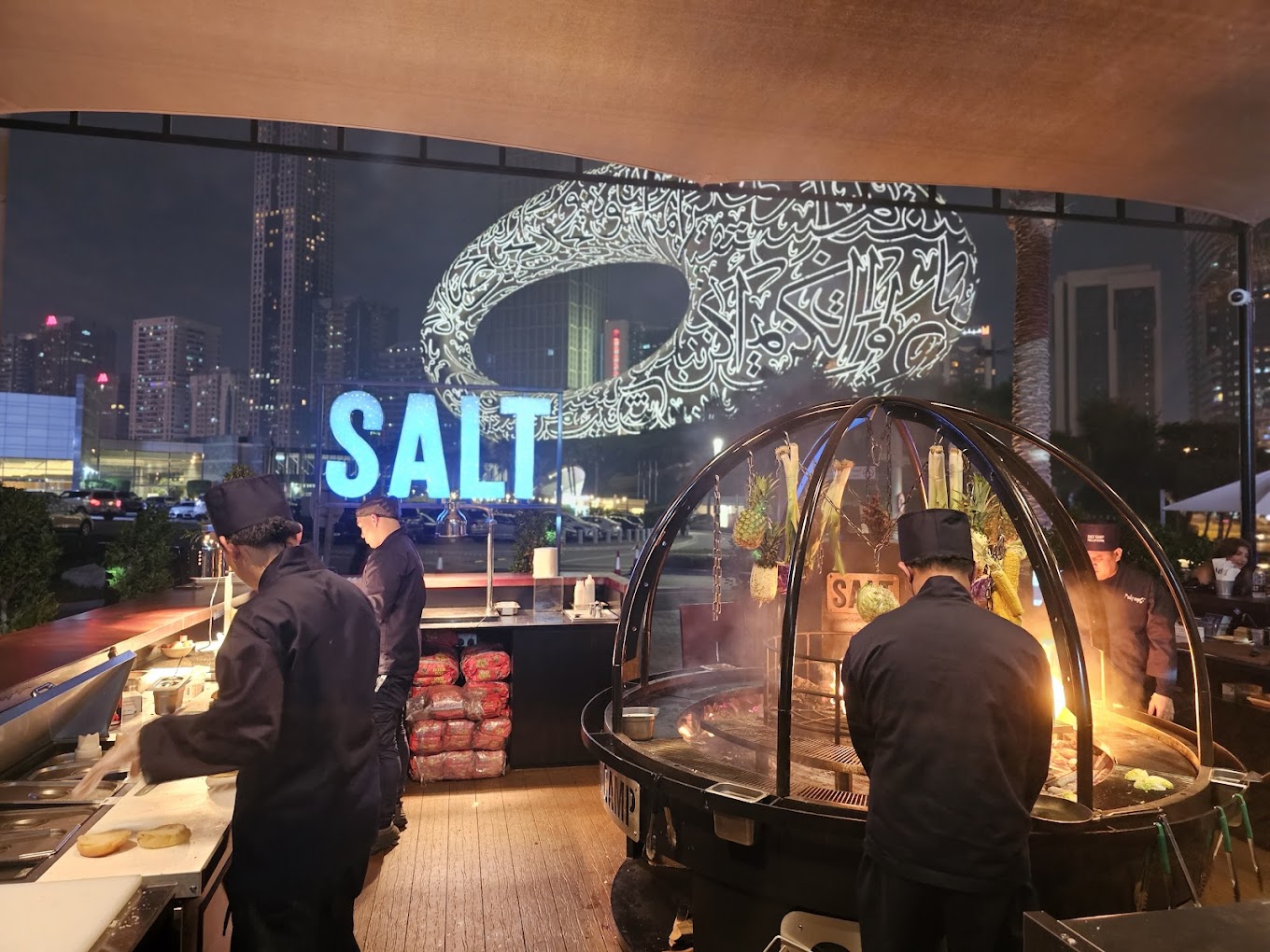
Once the queues started, SALT could have franchised or opened in every mall in the country. They didn't. Malls were the exact thing they'd built SALT to stand apart from, and they knew that fast expansion into them would have quietly unwound the brand they'd spent years building. Instead, they grew on their own terms — permanent "beach house" style locations in Dubai and Abu Dhabi that kept the same outdoor, come-as-you-are feel, and new sister concepts under their Independent Food Company (Parker's, Switch, Somewhere) rather than diluting SALT itself.
When they did partner with a major name — a limited-run beach pop-up with Skims — it read as an extension of the brand, not a departure from it. Growth that protects what made the thing work in the first place is rarer than growth itself. That's the part most founders get wrong once the early traction arrives.
What it proves
None of this reads as a "UAE strategy" bolted onto a generic F&B business. It reads as a business that could only exist in the market it was built for. This is what reading a market actually looks like — every decision, from the trailer to the permit workaround, was a response to how people in the UAE discover, trust, and commit to a brand. It's the same principle behind every successful market entry and growth strategy here.
Dubai doesn't need louder brands. It needs smarter ones.
Sources: Arabian Business, "UAE Brands: 44. Salt"; Gulf News, "A pop-up restaurant called SALT"; LinkedIn, "Meet Amal Al Marri and Deem Al Bassam, Founders of Independent Food Company"; findsalt.com, "Our Story."

+
FROM THE BLOG
More on strategy, growth, and market entry